Wishlist

Nutrition and recovery strategies for high-altitude athletes
When athletes train or compete at high elevations, their bodies face unique physiological stressors. Reduced oxygen availability increases metabolic demands, making proper high altitude nutrition for athletes essential for performance and recovery.
At altitude, energy expenditure goes up while appetite often decreases. This mismatch can compromise muscle repair and immune function without targeted nutritional strategies. Planning meals and supplements becomes a tactical part of altitude training rather than an afterthought.
Hydration Strategies to Combat Altitude Stress
Hydration is another pillar of altitude adaptation because dry air and increased breathing rates accelerate fluid loss. Maintaining appropriate fluid balance supports circulation and thermoregulation, and helps athletes reduce symptoms of altitude sickness.
Research focused on high elevation conditions underscores the importance of electrolyte rich fluids combined with regular hydration habits. Optimising this early in a training block can also improve overall recovery. A narrative review highlights how hydration and supplement strategies must balance fluid retention with performance demands at altitude.
Carbohydrate and Fueling Strategies
Fueling becomes even more critical at altitude because running out of glycogen can happen faster than at sea level. Endurance athletes need to pay extra attention to carbohydrate intake high altitude to support both performance and recovery.
Frequent intake of complex carbohydrates helps maintain stable blood glucose levels and reduces perceived exertion during prolonged efforts. A case report published in the Journal of the International Society of Sports Nutrition shows how a tailored nutrition plan improved endurance preparation at moderate altitude.

Protein for Repair and Adaptation
Protein plays a key role in muscle repair, immune support, and adaptation to altitude training. At high elevations, muscle breakdown increases due to heightened metabolic stress and reduced oxygen. Eating high-quality protein sources throughout the day supports tissue repair and helps preserve lean mass during intense training blocks.
Many coaches advise that athletes aim for regular protein distribution to maximise muscle protein synthesis after every session. Consuming protein alongside carbohydrates also improves glycogen replenishment, supporting quicker recovery between workouts.
Supplements that Support Altitude Adaptation
Some supplements can help reduce oxidative stress and enhance recovery during altitude exposure. Iron, for example, is important to support red blood cell production and oxygen transport. Other nutrients, like antioxidants and beta-alanine, may reduce inflammation and support endurance adaptation. While supplements should never replace whole food meals, they can serve as strategic tools when used under guidance.
A study published in the European Journal of Applied Physiology identified biomarkers that may help predict how athletes respond to altitude training, including their nutritional needs.

Monitoring Recovery and Metabolism
Recovery at altitude requires attention to how the body responds to increased stress. Tracking hydration strategies for altitude training isn’t just about fluid intake but also about monitoring heart rate, sleep quality, and subjective fatigue.
Metabolic assessments and performance tests help athletes adjust their training loads and caloric intake accordingly. A case study of an elite ultramarathon athlete highlighted how measurement of metabolic responses and recovery improved overall performance at high elevation when paired with appropriate recovery strategies.
Real Life Expertise on Nutrition and Altitude
Dr. Philip Maffetone is a respected authority in endurance nutrition and training adaptation. He emphasises, “At high altitude, athletes must prioritise nutrition just as they would a training session. Without adequate fuel, recovery stalls and performance suffers.”
Similarly, Dr. Carl Foster, an exercise physiologist specializing in endurance metabolism and training stress, says, “Altitude alters how the body uses fuel. Strategic carbohydrate and protein intake can prevent catabolism and improve recovery between days of heavy training.”
These expert voices echo what practitioners see in the field. Planning nutrition and recovery is not only about eating enough but making sure the right nutrients are consumed at the right time.

Practical Recovery Tactics for Athletes
Effective recovery at altitude goes beyond post-training meals. Active recovery sessions help stimulate blood flow without adding stress. Combining light activity with proper hydration and micronutrient intake encourages tissue repair and supports the nervous system.
Pairing recovery meals with sleep hygiene practices enhances synthesis of muscle proteins and cognitive restoration. A holistic approach ensures that athletes adapt more efficiently and show fewer signs of overreaching.
Integrating Diet Into Training Cycles
Nutrition needs to be integrated into every phase of a high-altitude training plan. Before arriving at elevation, athletes should build a baseline of fuel stores and hydration habits. During altitude exposure, daily meal plans need moderation and variety to prevent appetite suppression and nutrient deficiencies.
After returning to lower elevations, recovery remains critical because the body continues to adapt. Continuity in nutrition allows the benefits gained at altitude to translate into sea-level performance gains.

Nourish to Thrive at Altitude
High-altitude training presents a complex set of nutritional and recovery challenges. Athletes must consider how hydration, carbohydrate intake, protein distribution, and strategic supplementation affect their bodies in oxygen-reduced environments.
Evidence from recent research confirms that a targeted nutrition and recovery plan boosts performance and adaptation. When combined with monitoring and expert guidance, these strategies help athletes not just survive high altitude but thrive there.
About the Author
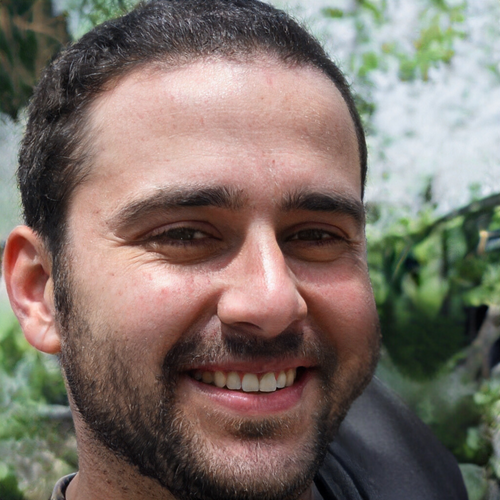
Cody Martinez
Cody is a burgeoning freelance writer based in the Pacific Northwest, originally hailing from New Mexico. After years navigating the corporate world, he took a leap of faith to pursue his passion for outdoor adventures and storytelling. Drawing from his diverse heritage and experiences, Cody explores the beauty of nature and shares insights on outdoor gear, travel, and sustainability.