Wishlist

Into the Wild, Responsibly: The Rise of Eco-Friendly Multi-Day Treks
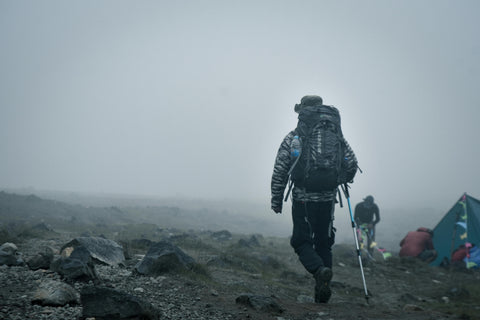
Outdoor travel is changing as more people seek meaningful ways to explore nature without harming it. The rise of eco-friendly multi-day treks reflects a broader shift toward mindful exploration and environmental stewardship.
Travelers are no longer satisfied with simply reaching a destination. They want their journeys to align with values like conservation and respect for local ecosystems. This trend is reshaping how we approach both eco-friendly travel and long-distance adventures.
Why Sustainability Matters on the Trail
Multi-day trekking exposes fragile environments to repeated human impact, from waste to trail erosion. Even small actions can accumulate into significant environmental damage over time. Practicing sustainable travel ensures that these natural landscapes remain intact for future generations. It also fosters a deeper connection between trekkers and the environments they move through.
A study titled Sustainable Hiking through the Green Trails highlights how responsible practices such as waste minimization and local sourcing significantly reduce ecological footprints. The research emphasizes that sustainability is not a limitation but an enhancement of the trekking experience.

The Growing Popularity of Responsible Trekking
The surge in trekking adventure tourism is closely tied to a growing awareness of climate change and environmental degradation. More trekkers are choosing routes and operators that prioritize conservation and community involvement. This shift is especially visible in remote regions where ecosystems are particularly vulnerable.
Research from Participatory Development and Management of Eco-Cultural Trails shows that involving local communities in trail management leads to more sustainable outcomes. It also creates economic opportunities that encourage conservation rather than exploitation. These findings reinforce the idea that eco-friendly trekking benefits both nature and people.
Rethinking the Trekking Experience
Eco-friendly trekking is not just about reducing harm. It is about redefining what it means to explore. Trekkers are embracing slower travel, carrying reusable gear, and choosing less crowded hiking trails. This approach promotes immersion and reduces pressure on popular destinations.
The study Human–nature relations in the Anthropocene explores how responsible hiking strengthens emotional and ethical connections with nature. It suggests that mindful trekking leads to more respectful behavior and long-term environmental awareness. In this way, sustainability becomes a mindset rather than a checklist.

Learning from Global Trail Movements
Around the world, eco-conscious trekking initiatives are gaining momentum. Routes like pilgrimage trails and protected wilderness treks are integrating sustainability into their core design. These models demonstrate how tourism can coexist with environmental preservation.
The article Eco-pilgrimage: Ecological, Religious, and Health Aspects of Camino de Santiago reveals how structured guidelines encourage trekkers to minimize waste and respect cultural landscapes. Similarly, Trails of Transformation examines how sustainable practices are being applied even in politically sensitive and environmentally delicate regions. Together, these studies highlight the global relevance of eco-friendly trekking.
Voices from the Field
Experts in outdoor exploration have long advocated for responsible travel practices. Andrew Skurka, a professional long-distance backpacker and guide, emphasizes intentional decision-making on the trail. He explains, “Good planning and awareness can reduce your impact far more than expensive gear ever will.” His experience across thousands of miles of wilderness underscores the importance of preparation in backpacking responsibly.
Yvon Chouinard, founder of Patagonia and a pioneer in environmental activism, has also spoken extensively about sustainable outdoor practices. As an expert in conservation-driven business and outdoor ethics, he states, “The more you know, the less you need.” His philosophy encourages trekkers to minimize consumption and focus on simplicity, which aligns closely with eco-friendly trekking principles.

Practical Shifts Every Trekker Can Make
Adopting eco-friendly habits on multi-day treks does not require drastic changes. Simple actions like carrying reusable containers, avoiding single-use plastics, and sticking to designated trails can make a significant difference. Choosing eco-certified guides and supporting local businesses further enhances sustainability.
Trekkers can also reduce their environmental impact by planning routes carefully and avoiding over-touristed areas. This not only protects ecosystems but also creates a more peaceful and authentic experience. Over time, these small adjustments collectively reshape the culture of trekking.
Walking Forward with Purpose
Eco-friendly multi-day treks represent more than a travel trend. They reflect a deeper shift in how people relate to nature and adventure. By combining exploration with responsibility, trekkers can experience the wild without leaving lasting damage.
As research and expert insights continue to guide best practices, the future of trekking looks increasingly sustainable. Every step taken with awareness contributes to preserving the landscapes we cherish. The journey into the wild becomes not just an escape, but a commitment to protect it.
About the Author

Kayla Souleiman
Kayla is a nutritionist and fitness expert based in Los Angeles, with a passion for self development & transformation through nutrition. She's an advocate for plant-based diets and functional nutrition, she helps her clients optimise their wellness through balanced, sustainable eating and personalized fitness plans. Kayla combines her Middle Eastern roots with modern nutritional science to create culturally diverse, accessible approaches to healthy living, making her a trusted voice in the wellness community.